Source garden shredder for branches, twigs, and tree waste
Find 30 garden shredder units with varying power sources and capacities. Buyers can compare specifications like crushing diameter, engine type, and structural form to select the right machine for tree branches and twigs.
Key considerations
Products List






Comprehensive Sourcing Guide
Strategic Sourcing Guide for Garden Shredders
Understanding the Product Category and Technical Variations
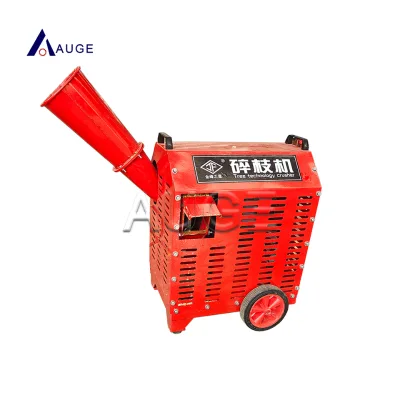
The garden shredder market, often categorized under mobile wood chippers and tree branch processors, presents a diverse array of machinery designed to reduce organic waste into manageable chips or twigs. When sourcing these units, buyers must first distinguish between the various structural forms and power sources available in the current supply chain. The observed product landscape includes machines defined as "Mobile Wood Chipper" units, which are distinct from stationary industrial grinders due to their portability and specific structural forms like "Push Type." These units are engineered to process "Tree Branches" and produce a "Crushing Effect" consisting of "Wood Chips and Twigs," making them essential for landscaping, municipal waste management, and agricultural maintenance.
A critical technical distinction lies in the power source. The supply data indicates a split between "Diesel" and "Gasoline" powered engines, with some listings suggesting a "Power Type" that encompasses Gasoline, Diesel, and Electric options. This variability requires buyers to align their procurement with their operational environment. For instance, diesel units may offer different torque characteristics suitable for heavy-duty continuous operation, while gasoline units, such as those with "Ohv 4-Stroke" engines, are often preferred for lighter, more frequent tasks. The displacement and engine power specifications further define the machine's capability. Observed specifications include engines with "212cc" displacement and "420cc" displacement, delivering outputs ranging from "7.5 HP/3700 Rpm" to "15HP" at "3600rpm." These figures directly correlate to the machine's throughput and its ability to handle varying branch diameters.
The physical dimensions and capacity of the shredder are equally vital for logistical planning. The "Feeding Opening Size" is a primary constraint on the size of material that can be processed, with specific models listing dimensions like "400400mm." Similarly, the "Maximum Crushing Branch Size" and "Max. Chipping Diameter" define the upper limit of the input material, with observed values reaching up to "150mm" for chipping and "50mm" for crushing in certain configurations. The blade dimensions, such as "27055*7mm," are also critical specifications that influence the quality of the output and the frequency of maintenance required. Buyers should verify these dimensions against their specific waste stream to ensure the selected unit can handle the largest expected branches without jamming or excessive wear.
Compliance, Certification, and Regulatory Standards
Navigating the regulatory landscape is a fundamental step in the procurement of garden shredders, particularly when importing machinery from international origins. The supply data highlights that products originate from specific regions in China, including "Shandong Province, Yantai City, Laizhou City," "Henan," and "Weifang." When sourcing from these locations, buyers must rigorously verify the certification status of the machinery. The observed listings mention "EPA," "CE," and "ISO" certifications, though the specific application of these standards varies by model. For example, "EPA" certification is crucial for engines sold in markets with strict emissions regulations, while "CE" marking indicates compliance with European health, safety, and environmental protection standards.
It is imperative to treat certification claims as observations that require verification rather than universal guarantees for every listed product. Buyers should request valid, up-to-date certification documents that correspond to the specific model number, such as "SZJ-100" or "BZ-FS170G," rather than relying on general claims. The "prod_standard" field in the data often contains dimensional or weight specifications (e.g., "166×65×113cm130kg" or "1200-600-1400") rather than formal regulatory standard numbers like ISO 9001. Therefore, procurement teams must explicitly ask suppliers to clarify which international safety and emissions standards the machine meets.
Furthermore, the "Computerized" and "Automation" attributes observed in some listings suggest a shift toward more advanced control systems. While some units are described as "Full-Automatic," others may rely on manual operation. The presence of "Video Outgoing-Inspection" provided by the supplier is a significant quality assurance feature, allowing buyers to visually verify the assembly and functionality of the core components, such as the "Engine" and "Roller," before shipment. This transparency helps mitigate the risk of receiving non-compliant or substandard equipment. Buyers should ensure that the automation features, if required, are backed by clear operational manuals and that the machine's electrical systems meet the voltage and frequency standards of the destination country.
Cost Drivers and Pricing Dynamics
The pricing of garden shredders is influenced by a complex interplay of factors, including engine power, material quality, automation level, and packaging requirements. The observed price range in the market spans from $99 to $100,000, a wide spectrum that reflects the diversity from basic manual push-type units to high-capacity, fully automated industrial chippers. Several key cost drivers emerge from the product specifications. First, the engine power is a primary determinant; units with "15HP" engines and larger displacements like "420cc" will inherently cost more than those with "7.5 HP" or "212cc" engines. Second, the level of automation significantly impacts the price. Machines labeled as "Computerized" or "Full-Automatic" command a premium due to the added complexity of their control systems and sensors.
Packaging and shipping logistics also play a substantial role in the final landed cost. The data indicates that products are typically packed in "Export of Wooden Crates," "Wooden Case Packing," or "Wood Box" configurations, with some offering "Full Wrapping Protection." The choice of packaging affects both the safety of the unit during transit and the freight costs. Heavier units, such as those weighing "130kg" or "110kgs," will incur higher shipping fees, especially when packed in robust wooden crates required for international export. Buyers should calculate the total cost of ownership, including freight, insurance, and customs duties, rather than focusing solely on the unit price.
The minimum order quantity (MOQ) is another financial consideration. The observed MOQ range is between 1 and 5 units, offering flexibility for small businesses or individual contractors who may not need to purchase in bulk. However, for larger procurement projects, negotiating volume discounts based on the MOQ could yield significant savings. Additionally, the warranty terms, which vary from "1 Year" to "5 Years," should be factored into the cost analysis. A longer warranty period often indicates higher confidence in the product's durability and may reduce long-term maintenance costs, effectively lowering the total cost of ownership over the machine's lifecycle.
Typical Applications and Operational Scenarios
Garden shredders and mobile wood chippers serve a variety of applications across different sectors, primarily driven by the need to manage organic waste efficiently. The primary use case is in landscaping and municipal services, where "Tree Branches" and "Twigs" generated from tree trimming and pruning must be reduced in volume for easier transport and disposal. The "Push Type" structural form of many units makes them particularly suitable for maneuvering through tight garden spaces, parks, and residential areas where larger machinery cannot operate. The ability to process branches up to "150mm" in diameter allows these machines to handle a wide range of debris, from small twigs to substantial limbs.
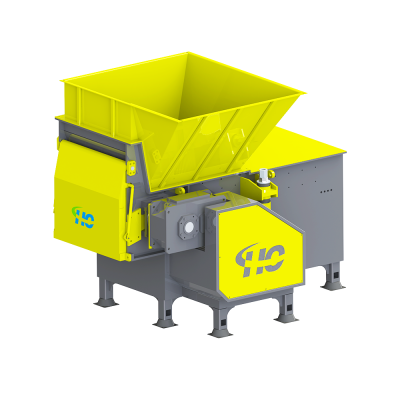
In agricultural and forestry settings, the high-output capacity of certain models becomes essential. Units with "7.5 HP" or "15HP" engines and large feeding openings of "400*400mm" are designed for continuous operation, processing large volumes of biomass for mulch production or biofuel feedstock. The "Crushing Effect" that produces uniform "Wood Chips and Twigs" is ideal for creating mulch that can be returned to the soil, improving soil health and moisture retention. The "Single-Screw" mechanism mentioned in some specifications suggests specialized applications, possibly for processing different types of organic materials like "Film" or mixed biomass, although the primary focus remains on wood processing.
The "Mobile" nature of these wood chippers allows for on-site processing, eliminating the need to transport bulky branches to a central disposal facility. This mobility is a key advantage for large-scale projects, such as road maintenance, forest clearing, and estate management. The "Video Outgoing-Inspection" feature ensures that the machine is ready for immediate deployment upon arrival, minimizing downtime. Buyers should assess their specific operational scenarios to determine the required power source and capacity. For instance, a residential contractor might prefer a gasoline-powered, compact unit, while a municipal waste management agency might require a diesel-powered, high-capacity machine with extended warranty coverage for heavy daily use.
Supplier Evaluation and Quality Assurance Protocols
Evaluating suppliers for garden shredders requires a rigorous approach to ensure the reliability and performance of the machinery. The supply data indicates that manufacturers are located in specific industrial hubs in China, such as "Shandong Province," "Henan," and "Weifang." While these regions are known for manufacturing, buyers must verify the specific capabilities of each supplier. A critical aspect of supplier evaluation is the availability of "Video Outgoing-Inspection." This service allows buyers to conduct a visual audit of the production line and the final product, verifying the assembly of core components like the "Engine" and "Roller." This transparency is a strong indicator of a supplier's confidence in their quality control processes.
Buyers should also scrutinize the "Customization" options available. The fact that customization is "Available" suggests that suppliers can tailor machines to specific requirements, such as adjusting the blade size, modifying the feeding opening, or integrating specific engine types. This flexibility is valuable for buyers with unique operational needs. However, customization can also introduce complexity and potential delays, so it is essential to establish clear specifications and timelines during the negotiation phase. The "Warranty" terms, ranging from 1 to 5 years, serve as another metric for supplier confidence. A longer warranty period often correlates with higher manufacturing standards and better after-sales support.
Quality assurance should extend beyond the initial inspection to include the verification of "prod_packing" standards. The use of "Export of Wooden Crates" or "Wooden Case Packing" is standard for international shipments, but buyers should ensure that the packing is robust enough to protect the machine from damage during transit. The "Full Wrapping Protection" mentioned in some listings is an additional layer of defense against moisture and physical impact. Additionally, buyers should request detailed documentation regarding the "prod_standard" and "prod_model" to ensure that the machine meets the specific requirements of their market. Consistency in model numbers and specifications across different batches is crucial for maintaining quality and ensuring the availability of spare parts.
Long-Term Procurement and Maintenance Considerations
Sourcing garden shredders is not merely a transactional purchase but a long-term investment that requires careful planning for maintenance and lifecycle management. The "Core Components" of these machines, such as the "Engine" and "Roller," are subject to wear and tear, especially under heavy usage. Buyers should prioritize suppliers who offer a robust supply chain for spare parts, including blades, rollers, and engine components. The "Blade Size" of "270557mm" is a specific dimension that must be matched with replacement parts to ensure optimal performance. A lack of available spare parts can lead to extended downtime and increased operational costs.
The "Power Source" of the machine also influences long-term maintenance costs. Gasoline engines, such as the "Ohv 4-Stroke" types observed, may require more frequent maintenance, including oil changes and spark plug replacements, compared to diesel engines. Buyers should factor in the availability of fuel and the cost of consumables when making their selection. The "Warranty" period is a critical factor in mitigating initial maintenance risks. A "5 Year" warranty provides significant peace of mind and financial protection, whereas a "1 Year" warranty may require the buyer to budget for repairs sooner.
Furthermore, the "Automation" and "Computerized" features of advanced models can simplify maintenance and operation. These features often include diagnostic tools that can alert operators to potential issues before they become critical failures. However, they also introduce a dependency on technical expertise for repairs. Buyers should ensure that their maintenance team is trained to handle these advanced systems or that the supplier offers comprehensive training and support. Finally, the "Product Type" and "Structural Form" should be considered in the context of the machine's lifespan. A "Mobile Wood Chipper" with a "Push Type" design may have different durability characteristics compared to a stationary unit, and buyers should select a machine that aligns with their expected usage intensity and operational environment. By focusing on these long-term considerations, buyers can ensure a sustainable and cost-effective procurement strategy for their garden shredding needs.
FAQs
What power sources are available for garden shredders?
Garden shredders are available with Diesel, Gasoline, or Electric power sources. Some models offer a combination of these options to suit different operational environments. Buyers should verify the specific engine type, such as Ohv 4-Stroke, to match their energy availability.
Which specifications define the maximum branch size?
Maximum chipping diameters can reach up to 150mm, while crushing sizes may be limited to 50mm depending on the model. Feeding openings typically measure 400 by 400mm to accommodate larger branches. Always check the specific model number to confirm these capacity limits.
How long is the warranty period for these units?
Warranty periods for garden shredders range from 1 year to 5 years based on the specific manufacturer and model. Longer warranties often indicate higher confidence in the product's durability. Buyers should confirm the exact term associated with their selected unit before purchase.
Can I request customization for the machine?
Customization is available for many garden shredder models to meet specific operational needs. Suppliers can adjust features like blade size or engine power upon request. Buyers should discuss their requirements early to ensure the customized unit meets their capacity and safety standards.
What certifications do these machines typically hold?
Common certifications include CE, EPA, and ISO standards for safety and emissions compliance. These marks verify that the machinery meets international regulatory requirements. Buyers must verify that the specific model number holds valid, up-to-date certification documents for their target market.
How are the machines packed for export?
Products are typically packed in Export Wooden Crates, Wooden Case Packing, or Wood Box configurations. Some units also receive Full Wrapping Protection to prevent damage during transit. The packaging choice impacts shipping costs and must be considered when calculating the total landed price.
What is the minimum order quantity for purchase?
The minimum order quantity ranges from 1 to 5 units, allowing flexibility for small businesses or individual contractors. Bulk purchasing may offer volume discounts depending on the supplier. Buyers should confirm the specific MOQ for their chosen model to plan their procurement budget effectively.